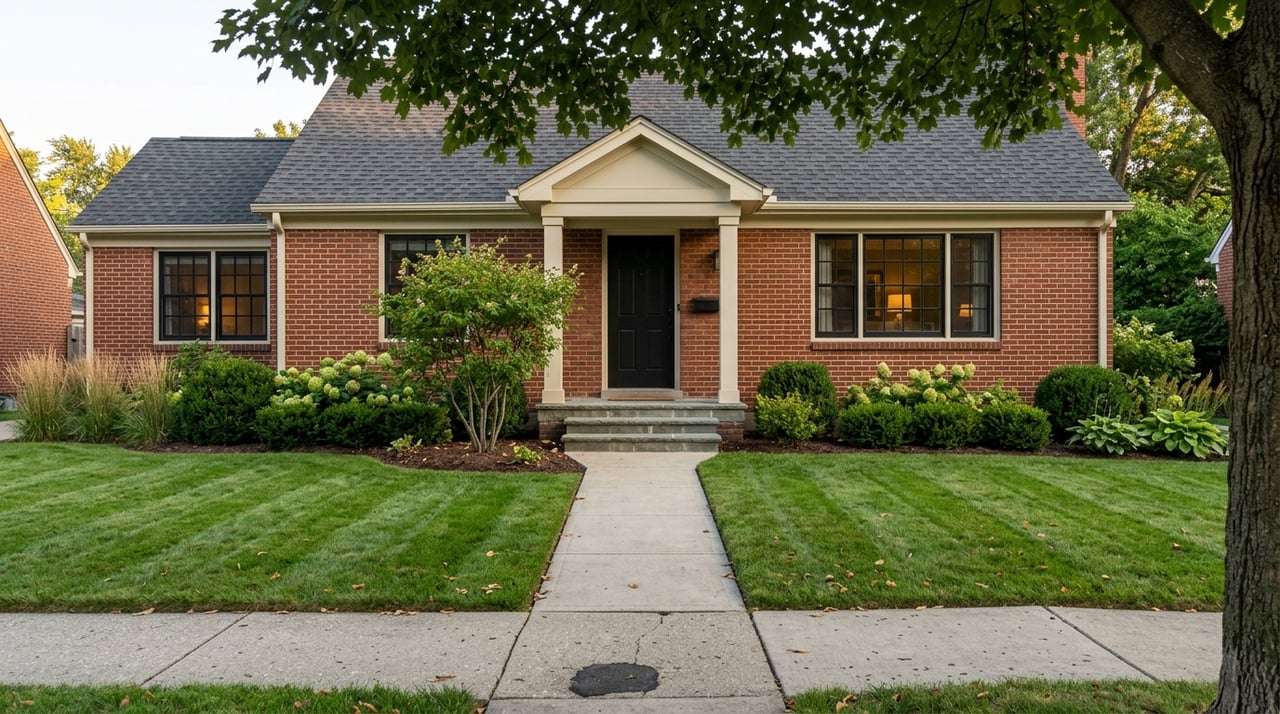
Thinking about a move in Elmhurst and worried about property taxes? You’re not alone. Because Elmhurst sits in both Cook and DuPage counties, timelines for assessments, appeals, and tax bills can look very different from one side of town to the other. This guide breaks down what changes by county, what stays the same, and how to plan for closings and escrow so there are no surprises. Let’s dive in.
First, confirm your county and PIN
Before you analyze any tax timeline, verify whether your Elmhurst property is in Cook or DuPage. Then pull the parcel identification number (PIN) and basic assessment details.
- For Cook properties, use the property search and resources on the Cook County Assessor site.
- For DuPage properties, use the county’s GIS and property search and the DuPage County Assessor.
Assessment cycles at a glance
Here’s how the two counties differ on timing and process.
| Topic | Cook County | DuPage County |
|---|---|---|
| Reassessment frequency | Triennial reassessment cycle for most parcels; off years can include limited adjustments | Annual assessments; values updated each year |
| Who sets value | Cook County Assessor | DuPage County Assessor |
| Appeal body | Cook County Board of Review | DuPage County Board of Review |
| Billing and collection | Cook County Treasurer | DuPage County Treasurer |
Why it matters for Elmhurst buyers and sellers
In Cook, bigger changes often hit in the parcel’s reassessment year. In off years, adjustments may be more limited. In DuPage, assessments are updated annually, so changes appear more frequently. If you are comparing two Elmhurst homes, make sure you understand where each is in its county’s assessment cycle before you set your budget or list price expectations.
Notices, appeals, and exemptions timeline
Assessment and appeal steps generally follow a similar path in both counties, but dates vary year to year and by township.
- Step 0: Confirm your assessment and gather evidence. Pull your record from the Cook County Assessor or DuPage County Assessor. Collect comparable sales, photos, and notes on condition.
- Step 1: Request an informal review with the Assessor if offered. Start as soon as you receive your assessment notice.
- Step 2: File a formal appeal with the county Board of Review within the published window. Check current deadlines on the Cook County Board of Review or the DuPage County Board of Review.
- Step 3: If needed, escalate to the Illinois Property Tax Appeal Board or to circuit court.
Appeal windows are time sensitive. Missing a Board of Review deadline usually means you lose the right to appeal for that year. Start your review within days of your notice.
Exemptions to reduce taxable value
Both counties administer exemptions like Homeowner and Senior exemptions, along with programs for disabled persons and disabled veterans. Apply or renew through your county assessor before tax bills are calculated for the year. You can review exemption information using the Cook County Assessor and DuPage County Assessor resources.
Bills and payments: what to expect
Most Illinois counties issue property taxes in two installments for the tax year payable the following year. Taxes are generally billed in arrears. For example, a bill paid in 2025 usually covers the 2024 levy year. Due dates and amounts vary by county and by year, so always verify current installment dates with your treasurer’s office.
- Check installment schedules and payment options with the Cook County Treasurer.
- For DuPage properties, confirm with the DuPage County Treasurer.
At closing: proration and escrow
Because Illinois taxes are paid in arrears, closings usually involve prorations and, if you finance, a lender escrow setup.
- Sellers typically credit buyers for the unpaid portion of the current tax year.
- If a bill has already been paid, the settlement adjusts so the buyer receives a prorated reimbursement.
- If no current bill exists yet, prorations are based on the most recent bill or a mutually agreed estimate.
- Lenders commonly collect initial tax escrow reserves at closing. Expect a deposit and a tax portion in your monthly mortgage payment.
If bills are delayed or unpaid
Title companies usually require payoff of outstanding taxes or a seller credit to clear liens. If a bill posts shortly after closing, the party on record typically receives it, but your settlement prorations should account for who owes what. Clear contract language and, when needed, escrow holdbacks help keep this smooth.
Practical checklist for Elmhurst movers
Use this quick plan whether you are buying, selling, or both.
- Before contract or closing
- Verify your property’s county and PIN using county search tools.
- Pull the last two years of tax bills and confirm exemptions.
- At contract and closing
- Agree on a proration method. Use the last paid bill or a reasonable estimate if the current bill is unavailable.
- Ask your lender about required tax escrow deposits and plan for the cash needed at closing.
- Confirm any unpaid taxes will be cleared or credited by the seller.
- After closing
- Check the assessor’s records to confirm ownership and apply any eligible exemptions.
- If you disagree with the assessed value, start the informal review immediately after your first notice arrives and prepare for the Board of Review deadline.
- Moving between counties
- Remember the cycles differ. Cook is triennial. DuPage is annual. Your short‑term tax expectations should reflect that.
Get local guidance you can trust
Whether your Elmhurst home is in Cook or DuPage, timing your appeal, planning your escrow, and setting expectations at closing can save money and stress. If you want a tailored walkthrough for a specific address, schedule a quick strategy chat with Penn French for county‑by‑county guidance and a clear action plan.
Official resources
- Cook County Assessor: assessment info, exemptions, property search — Cook County Assessor
- Cook County appeals: deadlines and filing — Cook County Board of Review
- Cook County tax bills and payment — Cook County Treasurer
- DuPage assessments and exemptions — DuPage County Assessor
- DuPage appeals procedures — DuPage County Board of Review
- DuPage tax bills and payment — DuPage County Treasurer
- Property search and maps — DuPage County GIS
- State‑level appeals guidance — Illinois Property Tax Appeal Board
- State tax guidance — Illinois Department of Revenue
- City information — City of Elmhurst
FAQs
How do Elmhurst property taxes get prorated at closing?
- Taxes are typically prorated between buyer and seller based on the portion of the year each owns the property, using the latest available bill or an agreed estimate since Illinois taxes are paid in arrears.
What does “paid in arrears” mean for Illinois property taxes?
- You pay for the prior tax year in the current year, usually in two installments, so closings often use last year’s bill as the basis for prorations.
When will I know if my Cook County assessment changed?
- Cook reassesses on a triennial cycle, so significant changes often appear in your reassessment year; watch for your notice and review the Cook County Assessor announcements for timing.
How do I file a property tax appeal in DuPage County?
- After checking your notice, use the DuPage County Board of Review for current filing windows and instructions, and consider starting with the assessor’s informal review if available.
Do homeowner or senior exemptions transfer when I buy an Elmhurst home?
- Exemptions are administered by each county; apply or renew with the Cook County Assessor or DuPage County Assessor so they are in place before bills are calculated for the year.