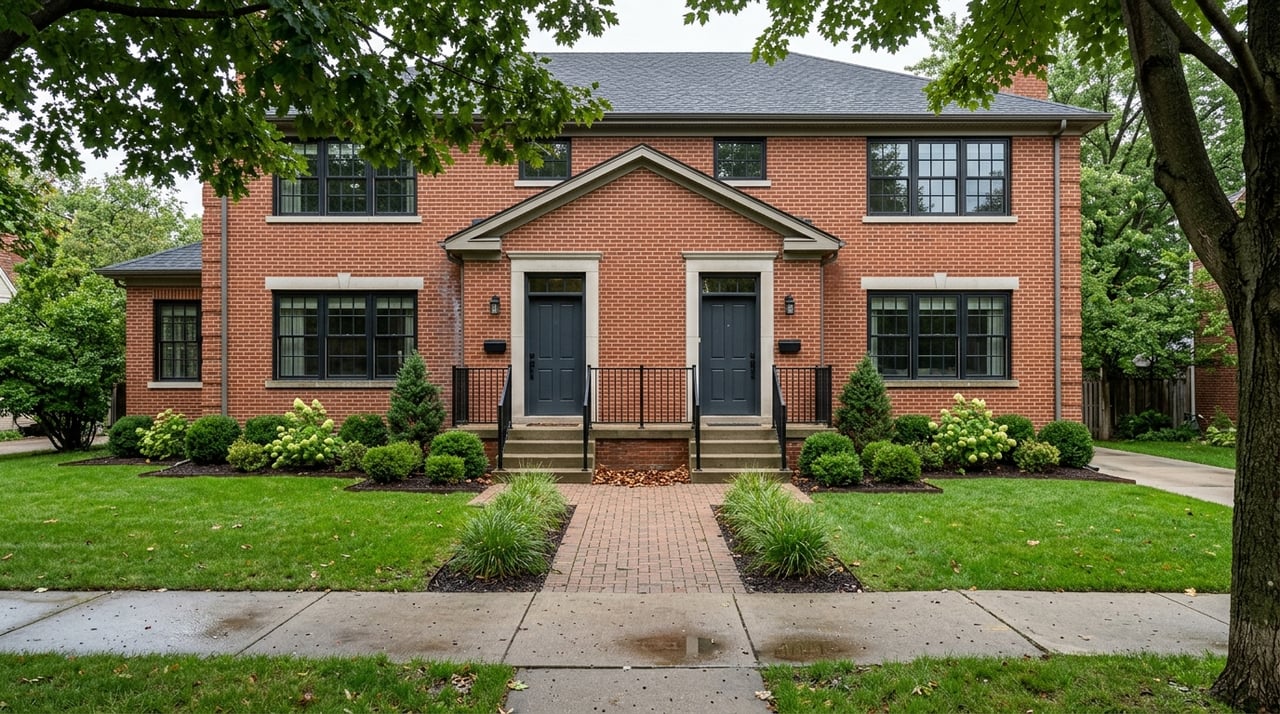
Wondering whether a duplex, mixed-use building, or small multifamily property in Downers Grove is worth a closer look? For many investors, this village stands out because it pairs strong suburban fundamentals with real transit access, a walkable downtown, and a renter pool that values convenience. If you want a clearer way to evaluate opportunity here, this guide will walk you through demand drivers, rent benchmarks, zoning checkpoints, and practical underwriting ideas. Let’s dive in.
Why Downers Grove Draws Investors
Downers Grove offers a mix of stability and flexibility that many investors look for in a suburban market. The village has a population of 50,552, a median household income of $119,649, and an owner-occupied housing rate of 75.3%, according to U.S. Census QuickFacts for Downers Grove. Those numbers point to a relatively established community with a meaningful pool of renters, including commuters, downsizers, and households looking for access to services and transit.
Location is a major part of the story. Village planning materials note that Downers Grove is served by three Metra stations on the BNSF line, and Downtown Downers Grove materials cited by the village state that the Main Street station offers a 23-minute express train to Chicago, as outlined in this Downers Grove planning document. For multi-unit owners, that kind of rail access can support steady tenant interest, especially near station areas.
The village is also leaning into walkability and transit-oriented growth. Current planning documents highlight mixed-use and transit-oriented development around downtown, the Fairview corridor, and the Belmont station area, and the village adopted an Active Transportation Plan in April 2025 to improve walking and biking connections. That matters because properties that reduce friction in daily life often stand out more in the leasing market.
Rent Benchmarks to Watch
If you are underwriting a multi-unit investment in Downers Grove, local station-area data is more useful than broad regional averages alone. A village housing-impact study for the Fairview Avenue BNSF station area reviewed MLS rental listings within a 2.5-mile radius and found asking rents ranging from $1,190 to $4,000, based on this Fairview station area study. The same study reported average asking rents of:
- $1,740 for 1-bedroom units
- $2,122 for 2-bedroom units
- $2,464 for 3-bedroom units
- $3,968 for 4-bedroom units
These figures are especially helpful if you are analyzing duplexes, small apartment buildings, or transit-oriented assets near the rail corridor. They reflect an active local leasing environment rather than a lagging macro snapshot.
By comparison, Census QuickFacts shows a median gross rent of $1,589. That figure is still useful as context, but it likely understates current asking rents in the most competitive pockets of the village. In practice, live rent rolls and recent comparable leases should carry more weight than older survey-based data.
Cap Rates and Market Backdrop
Downers Grove does not exist in a vacuum, so it helps to zoom out briefly. The IPA Chicago multifamily market report found that metro average effective rent reached $2,098 in March 2025, suburban effective rent averaged $1,969, vacancy was 4.2%, and the mean cap rate held at 7%. The same report also showed DuPage-area occupancy in the mid-90% range, including 95.0% in Central DuPage, 96.9% in North DuPage, and 95.3% in Southeast DuPage.
For local cap-rate context, the best anchors in the research suggest a practical stabilized range from the mid-5% range to the low-7% range. A DuPage County multifamily snapshot on Crexi showed a 7% median cap rate, while a historical Downers Grove marketing page for Fairview Station Flats cited a 5.5% cap rate for an 18-unit new-construction property near Metra, as reflected in this LoopNet listing page.
The takeaway is straightforward. Newer or more polished assets near transit may trade at tighter cap rates, while older value-add properties may underwrite closer to the higher end of the range. If you are comparing opportunities, location, condition, parking, and unit layout can all materially affect value.
Focus on Transit-Oriented Pockets
In Downers Grove, not every block performs the same way for renters. Planning documents place clear emphasis on downtown, Fairview, and Belmont station areas, where walkability and access to rail service are part of the long-term growth story. For investors, that creates a useful framework for evaluating where tenant demand may be strongest.
Properties near Metra may benefit from easier leasing, especially when they also offer practical features like off-street parking, updated interiors, and a simple commute pattern. This does not mean every transit-adjacent asset is automatically a strong investment, but it does mean that micro-location matters more here than broad ZIP-code averages might suggest.
Mixed-use can also be part of the local opportunity set. Research tied to current listings shows that apartments above retail near downtown and Metra are active in the local investment landscape, which can matter if you are considering a more flexible acquisition strategy or a future repositioning play.
Zoning Checks Before You Commit
One of the biggest mistakes in small multifamily investing is assuming a property can be converted, expanded, or reconfigured without confirming local rules. The Downers Grove municipal code, current as of November 18, 2025, separates residential uses into categories such as detached house, attached house, two-unit house, and apartment/condo. The code also notes that some apartment or condo permissions may be limited to upper floors.
That has a simple implication for investors. If you are considering a duplex conversion, an added unit, or a small apartment redevelopment, verify the exact zoning district and any special-use limitations before you finalize your assumptions.
This step is especially important for builder and value-add buyers targeting station-area locations. Village planning materials support transit-oriented growth, but support for a planning goal is not the same as blanket by-right approval on every parcel. A strong deal starts with legal clarity.
How to Underwrite Conservatively
In a market like Downers Grove, disciplined underwriting matters. The safest approach is to start with the actual rent roll, compare it against recent local leasing comps, use a realistic vacancy assumption, and set aside a separate reserve for capital expenditures.
This matters because the spread between Census median rent and current station-area asking rents shows how easy it is to misread the market if you rely on one source alone. You want a model that reflects current performance, not just optimistic pro forma projections.
As you evaluate a property, pay close attention to:
- Current in-place rents versus recent local comps
- Unit mix and square footage
- Parking availability and ease of access
- Interior finish level
- Deferred maintenance
- Common-area condition
- Location relative to downtown or Metra
- Near-term capital needs
Small differences can create big swings in net operating income. A well-located building with average finishes may outperform a larger property in a less convenient location if leasing is easier and turnover is lower.
Renovations That May Move the Needle
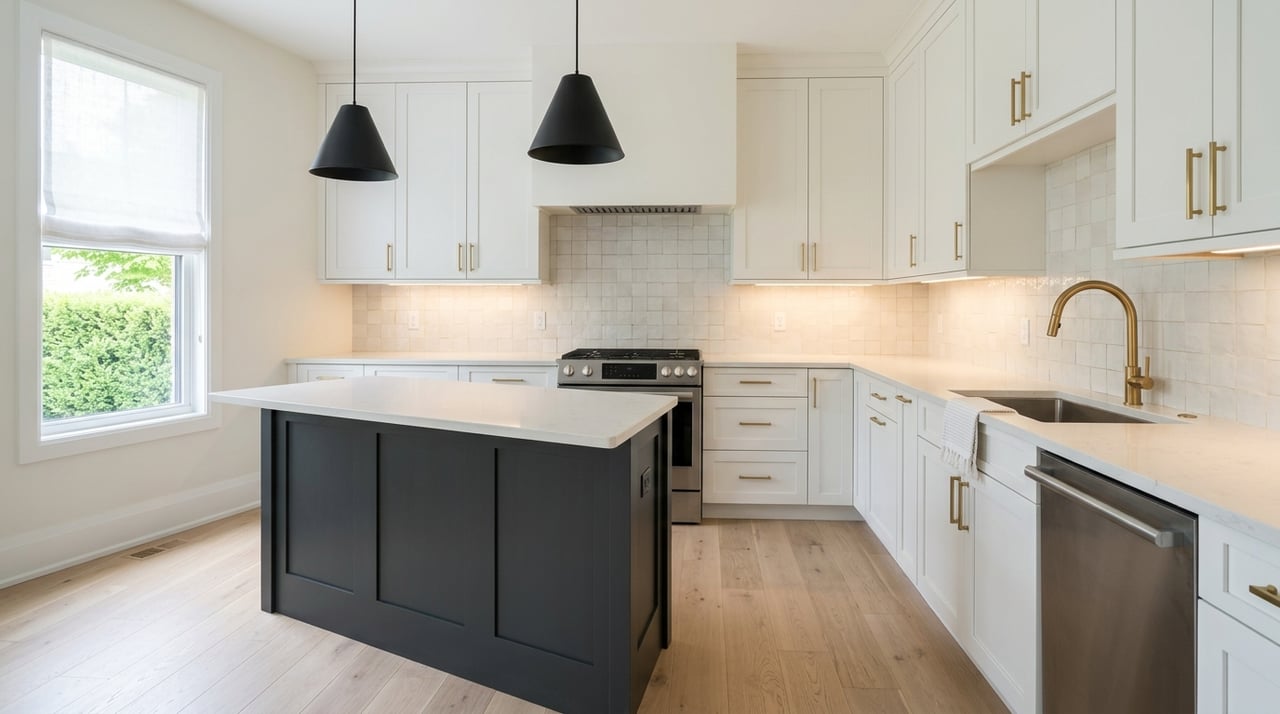
Not every upgrade delivers the same return. Local marketing evidence suggests that Downers Grove renters respond well to improvements that make a home feel more updated, more functional, and easier to live in day to day.
For duplexes and small multifamily properties, the most relevant value-add improvements often include:
- Updated kitchens and bathrooms
- In-unit laundry
- New flooring and paint
- Better lighting
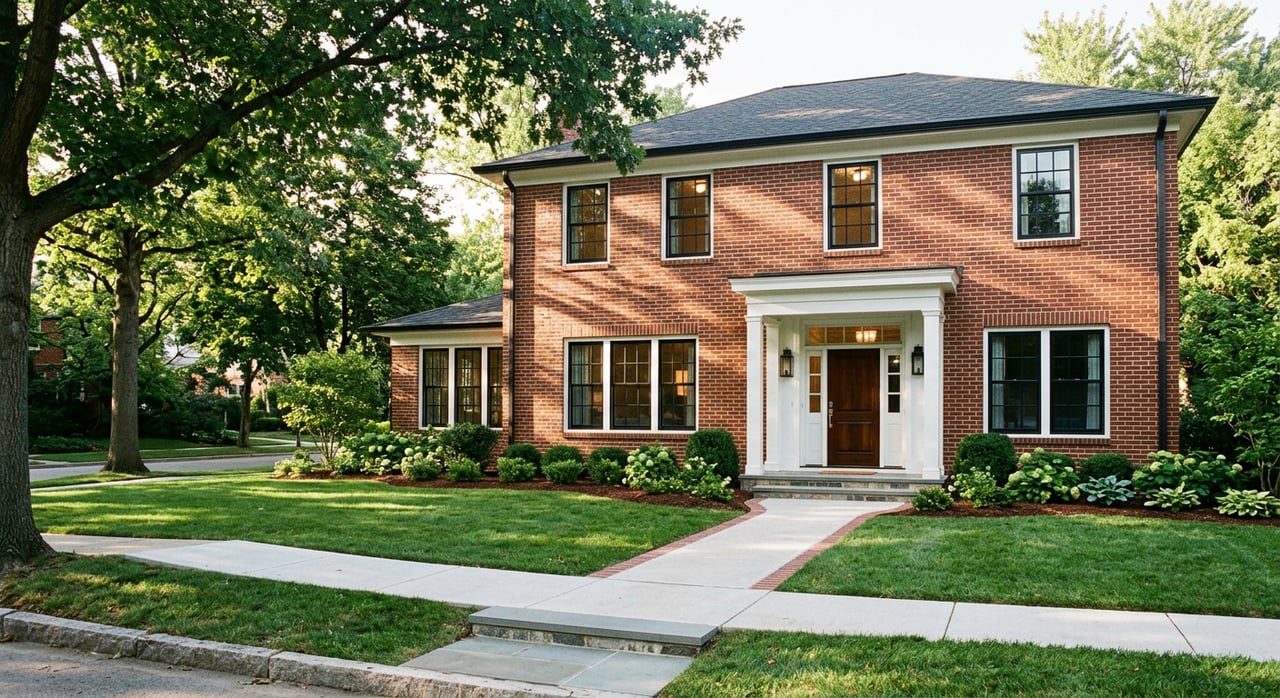
- Exterior curb appeal improvements
- Parking or functionality upgrades
Marketing materials for local properties also highlight high-end finishes, proximity to Metra, and access to downtown. That suggests the market often rewards units that feel commuter-friendly and low-friction to lease. In other words, practical upgrades with visible lifestyle value may matter as much as purely cosmetic changes.
Common Exit Strategies
Before you buy, it helps to think about how you may eventually sell or recapitalize the asset. In Downers Grove, there are typically three main paths.
Hold and Refinance
If you can improve operations, raise rents to market levels, or complete targeted renovations, holding and refinancing after stabilizing NOI may create flexibility. This approach can make sense for investors who want to keep long-term exposure to a well-located suburban asset.
Sell to Another Investor
The broader Chicago suburban multifamily market remains active. According to the IPA Chicago multifamily report, transaction velocity rose roughly 20% in the year ended March 2025, with in-state investors accounting for nearly 80% of activity. That supports the idea that a well-positioned small multifamily property may have a viable resale audience.
Reposition for Mixed-Use or Transit-Oriented Demand
In some cases, a site may have appeal beyond its current income stream, especially near downtown or along the rail corridor. If zoning and parcel characteristics support it, a buyer may see future value in a mixed-use or transit-oriented repositioning strategy. This path is highly property-specific, which is why zoning review and site analysis are so important upfront.
What Smart Buyers Should Remember
If you are evaluating Downers Grove multi-unit opportunities, the headline is not just that this is a solid suburb. It is that the best opportunities tend to sit at the intersection of location, transit access, realistic underwriting, and zoning clarity.
The market offers strong fundamentals, but good investing here still comes down to detail. Rent assumptions should be local, cap-rate expectations should match product quality, and any plan to add value should be grounded in what the property can legally and practically support.
If you want a strategic read on a Downers Grove multi-unit opportunity, Penn French brings a data-driven, advisory approach to investment and renovation decisions across the western suburbs. Whether you are sizing up a value-add acquisition or planning a future disposition, the right analysis early can help you protect your downside and improve your upside.
FAQs
What makes Downers Grove attractive for multi-unit investment?
- Downers Grove offers strong household incomes, established suburban fundamentals, three Metra stations on the BNSF line, and village-backed planning around walkability and transit-oriented growth.
What are current rent benchmarks for Downers Grove multi-unit properties?
- A village study of listings near the Fairview Avenue station area found average asking rents of $1,740 for 1-bedroom units, $2,122 for 2-bedroom units, $2,464 for 3-bedroom units, and $3,968 for 4-bedroom units.
What cap rate range should you expect in Downers Grove?
- Based on the research provided, a practical stabilized underwriting range is roughly the mid-5% to low-7% range, with newer transit-oriented assets generally at the lower end and older value-add properties at the higher end.
What zoning issue matters most for Downers Grove duplex or multifamily buyers?
- The key step is confirming the exact zoning district and any special-use limitations before assuming a duplex conversion, added unit, or apartment redevelopment is allowed.
What renovations can improve a Downers Grove rental property’s performance?
- Common value-add improvements include updated kitchens and baths, in-unit laundry, flooring, paint, lighting, curb appeal upgrades, and parking or functionality improvements.
What exit strategies are common for Downers Grove small multifamily investors?
- Typical paths include holding and refinancing after NOI is stabilized, selling into the active suburban investor pool, or repositioning the property for mixed-use or transit-oriented demand if zoning and site conditions allow.