If you are getting ready to sell in Glen Ellyn, it is easy to wonder where to spend money and where to stop. In a market where buyers are still comparing condition closely, the right pre-sale improvements can help your home stand out without over-improving. This guide walks you through the updates that tend to pay off, the projects that often do not, and how to build a smart plan before you list. Let’s dive in.
Why pre-sale updates matter in Glen Ellyn
Recent market snapshots suggest that presentation still matters in Glen Ellyn. Redfin reported a February 2026 median sale price of $455,000, 35 median days on market, and about five offers on average, while Realtor.com reported a January 2026 median list price of $499,900 and 55 days on market. That kind of market can reward homes that feel well cared for and easy to move into.
Local demographics also support that approach. According to the U.S. Census QuickFacts for Glen Ellyn, the village has a median household income of $140,938. While income does not guarantee buyer preferences, it does support the idea that many buyers in this market expect clean finishes, strong presentation, and fewer visible maintenance issues.
Start with visible, buyer-facing fixes
If your goal is to improve saleability, the most defensible strategy is usually to begin with the smallest visible fixes first. National data supports that approach. In the 2025 NAR Remodeling Impact Report, REALTORS most often recommended painting the entire home, painting one room, and new roofing before selling, and 46% of buyers said they are less willing to compromise on home condition.
That does not mean you need a long renovation list. It means buyers often respond strongly to homes that feel fresh, clean, and low maintenance from the moment they pull up.
Focus on first impressions
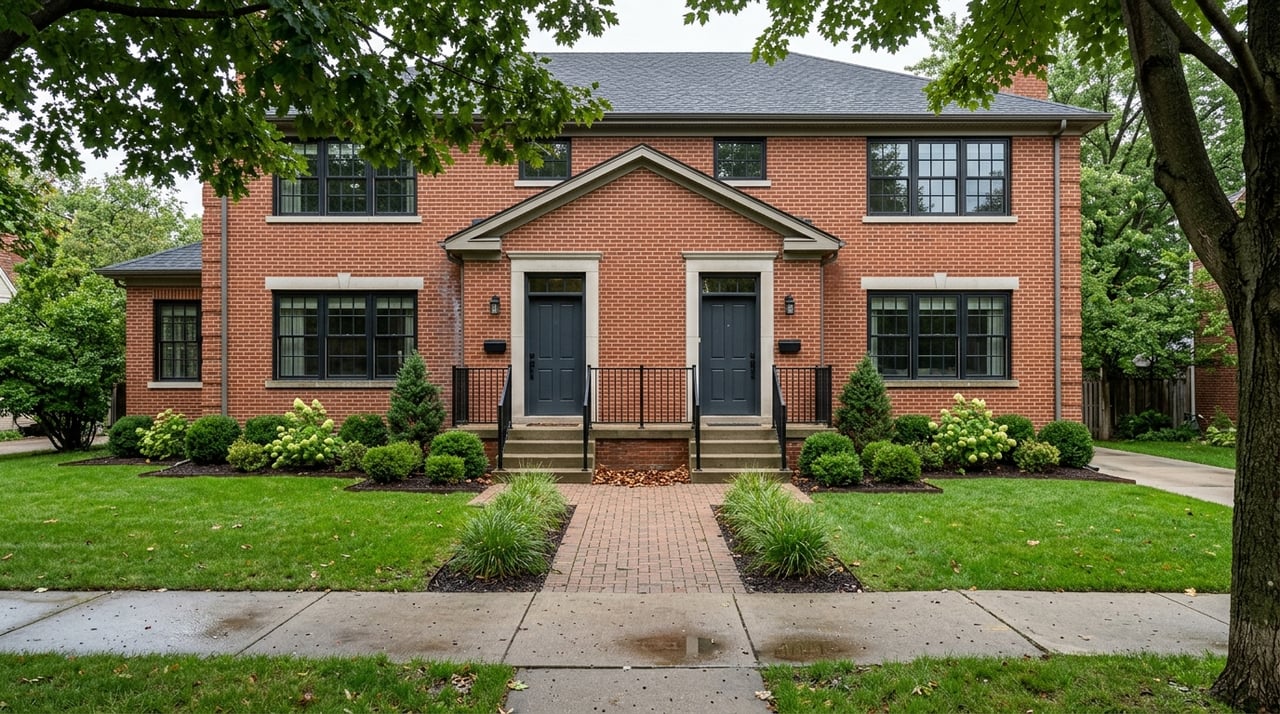
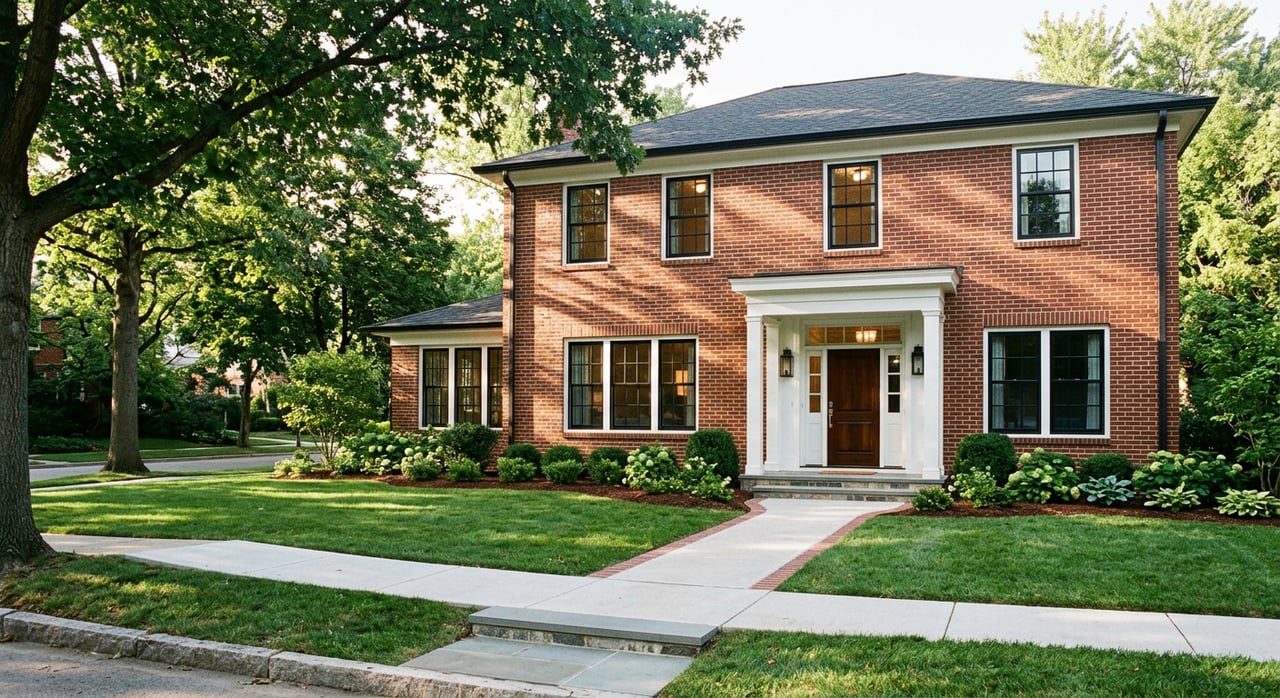
Your exterior sets the tone before a buyer even opens the door. In the Chicago market, the 2025 Cost vs. Value report showed especially strong resale recovery for garage door replacement, steel entry door replacement, manufactured stone veneer, fiber-cement siding, and vinyl window replacement.
For many Glen Ellyn sellers, that does not mean you should take on a major exterior overhaul. More often, it points to practical curb-appeal updates such as:
- Fresh paint on the front door or trim
- Repairing worn or damaged exterior elements
- Minor siding touchups
- Clean landscaping and crisp lawn edges
- Updated exterior lighting
- A clean, attractive garage door if the current one looks dated or worn
These changes are often easier to justify because they improve the first impression quickly and support the perception that the home has been maintained.
Paint is still one of the safest bets
If your walls are heavily personalized, marked up, or simply tired, paint is usually a smart pre-sale investment. The 2025 NAR Remodeling Impact Report puts painting at the top of the list of seller-facing recommendations, which makes sense because it helps buyers focus on the home itself instead of the work they think they will need to do.
In most cases, a whole-home refresh with clean, neutral colors gives you a stronger return than isolated cosmetic projects that do not improve the overall feel. It photographs better, shows better, and can make older finishes feel more current.
Interior updates that often pay off
Inside the home, your best opportunities are usually found in spaces buyers notice immediately. Kitchens, flooring, and overall condition tend to shape how buyers value a home emotionally and financially.
Choose a minor kitchen refresh
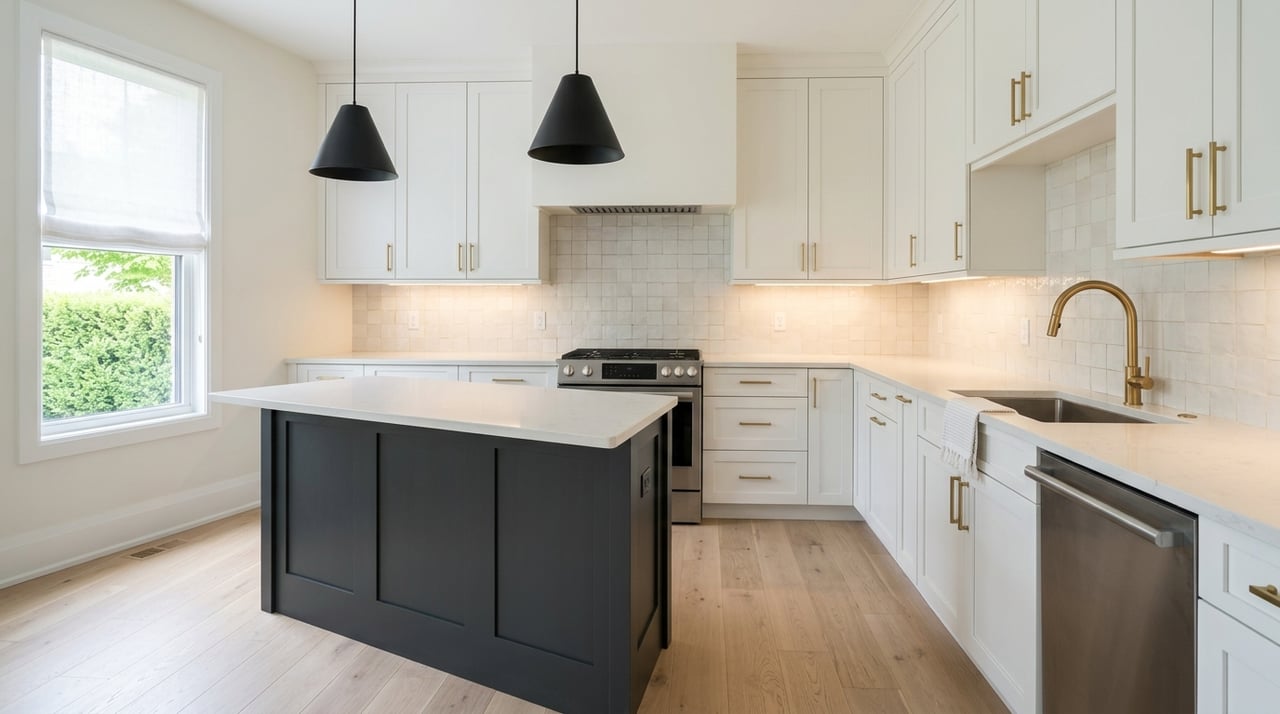
If your kitchen is functional but dated, a restrained update often makes more sense than a full remodel before listing. In Chicago, a midrange minor kitchen remodel recouped 94.4% in the 2025 Cost vs. Value report, which is far stronger than the return for a major kitchen remodel.
That is a strong argument for practical improvements such as:
- Painting or refacing cabinets when appropriate
- Replacing dated hardware
- Updating light fixtures
- Swapping in more current countertops if the existing ones hurt the overall look
- Replacing tired backsplashes or sinks
- Repairing small functional issues buyers will notice during showings
The goal is not to create your dream kitchen. The goal is to present a clean, polished kitchen that feels move-in ready for the next owner.
Refinish hardwood floors when possible
Flooring can have an outsized impact on how buyers perceive value. According to the NAR analysis of remodeling returns, hardwood floor refinishing had an estimated 147% cost recovery, and new wood flooring came in at 118%.
If you already have hardwood under worn finishes, refinishing may be one of the clearest value plays available. It can brighten rooms, modernize the home’s feel, and make photos and showings significantly stronger.
Declutter and stage key rooms
You do not need to stage every inch of your home to see an impact. The 2025 NAR staging report found that 29% of sellers’ agents said staging increased the dollar value offered by 1% to 10%, and 49% said it reduced time on market. The living room, primary bedroom, and kitchen were identified as the most important rooms to stage.
For many sellers, that means the winning formula is simple:
- Remove extra furniture
- Clear countertops and surfaces
- Edit closets and storage areas
- Add staging to the rooms that shape the strongest first impression
This is where thoughtful design and presentation can create momentum without requiring construction.
Projects that often underperform
Not every improvement is worth doing before a sale. In fact, some of the most expensive projects tend to recover far less at resale than sellers expect.
According to the Chicago 2025 Cost vs. Value report, weaker-return projects included:
- Major kitchen remodel: 44.2%
- Bath addition: 48.1%
- Upscale bath remodel: 34.2%
- Backyard patio: 48.5%
- Metal roof replacement: 43.7%
- Accessory dwelling unit: 38.4%
That pattern is a good reminder to avoid overbuilding relative to the market unless you are correcting a real functional issue.
Be careful with major custom projects
Large remodels can be tempting, especially if you have lived in your home for years and know exactly what you would change. But before listing, highly customized work often creates more risk than reward. You may spend heavily on finishes or layouts that do not match what the next buyer wants.
In most cases, broad appeal beats personal taste. Clean, updated, and easy to maintain usually performs better than expensive and highly specific.
Treat roofing as risk reduction
A roof can still matter a great deal, but it should usually be viewed as a necessity or an inspection-risk issue rather than a pure profit play. In Chicago, asphalt-shingle roof replacement returned 66.9%, which is respectable but well below the strongest curb-appeal projects.
If your roof is near the end of its life, replacement may still be the right move because it can reduce buyer objections and help the transaction stay together. But if the roof is serviceable, you may be better off prioritizing cosmetic and presentation-driven updates first.
A simple Glen Ellyn seller checklist
If you want a practical order of operations, start here:
- Address obvious maintenance issues buyers will notice.
- Paint walls, trim, and other worn surfaces as needed.
- Refresh curb appeal with landscaping, lighting, and front-entry updates.
- Refinish hardwood floors or improve flooring where condition is a problem.
- Make a minor kitchen refresh if the space feels dated.
- Declutter, depersonalize, and stage the most important rooms.
- Reserve major renovations for real functional or safety concerns.
This kind of sequence helps you focus budget where buyers are most likely to respond.
How Penn French approaches pre-sale planning
A strong pre-sale strategy is not about doing more. It is about doing the right things in the right order. That is where a data-driven plan can make a real difference, especially in a market like Glen Ellyn where buyers often notice both design and condition.
Penn French approaches listing preparation with a strategist’s lens, combining market analysis, design-forward marketing, staging guidance, and vetted vendor coordination to help you prioritize improvements that support saleability. For sellers who want to make targeted updates without taking on every cost upfront, Compass Concierge can also support eligible home-prep services such as painting, flooring, landscaping, staging, kitchen and bathroom improvements, roof repair, and decluttering, subject to program terms.
If you are unsure what your home actually needs before hitting the market, the best first step is a focused walkthrough and pricing conversation. That helps you separate cosmetic noise from true value drivers and build a prep plan around likely buyer response, not guesswork.
When you are ready to map out the smartest pre-sale improvements for your home, connect with Penn French to schedule a complimentary market strategy call.
FAQs
What pre-sale improvements usually pay off most in Glen Ellyn?
- The strongest candidates are usually visible, buyer-facing updates like paint, curb-appeal improvements, floor refinishing, minor kitchen refreshes, and staging of key rooms.
Should you remodel a kitchen before selling a Glen Ellyn home?
- A minor kitchen remodel often makes more sense than a full gut renovation, since Chicago data showed a much stronger resale recovery for midrange minor kitchen updates than for major kitchen remodels.
Is staging worth it when selling a home in Glen Ellyn?
- Staging can be worthwhile because NAR reported that it may increase offered value and reduce time on market, especially when the living room, primary bedroom, and kitchen are prioritized.
Should you replace the roof before listing a Glen Ellyn home?
- Roof work is usually best treated as a maintenance or risk-reduction decision, especially if an aging roof could trigger inspection concerns.
How do you decide which home improvements to skip before selling?
- A good rule is to avoid large, highly customized projects with weaker resale recovery unless they fix a clear functional, safety, or condition problem.